
Author: admin

The Essential Guide to Commercial Scaffolding: Safety, Compliance, and Productivity

The Essential Guide to Commercial Scaffolding: Safety, Compliance, and Productivity

When executing a commercial construction, renovation, or restoration project, temporary access infrastructure underpins every phase of work. Commercial scaffolding is not merely a platform for trade workers; it is a precision-engineered safety system designed to handle heavy load capacities, accommodate multi-trade operations, and maintain strict site compliance. For principal contractors and project managers, choosing the right scaffolding partner is critical to keeping large-scale builds on schedule and within budget.

Why Commercial Projects Demand Specialised Scaffolding

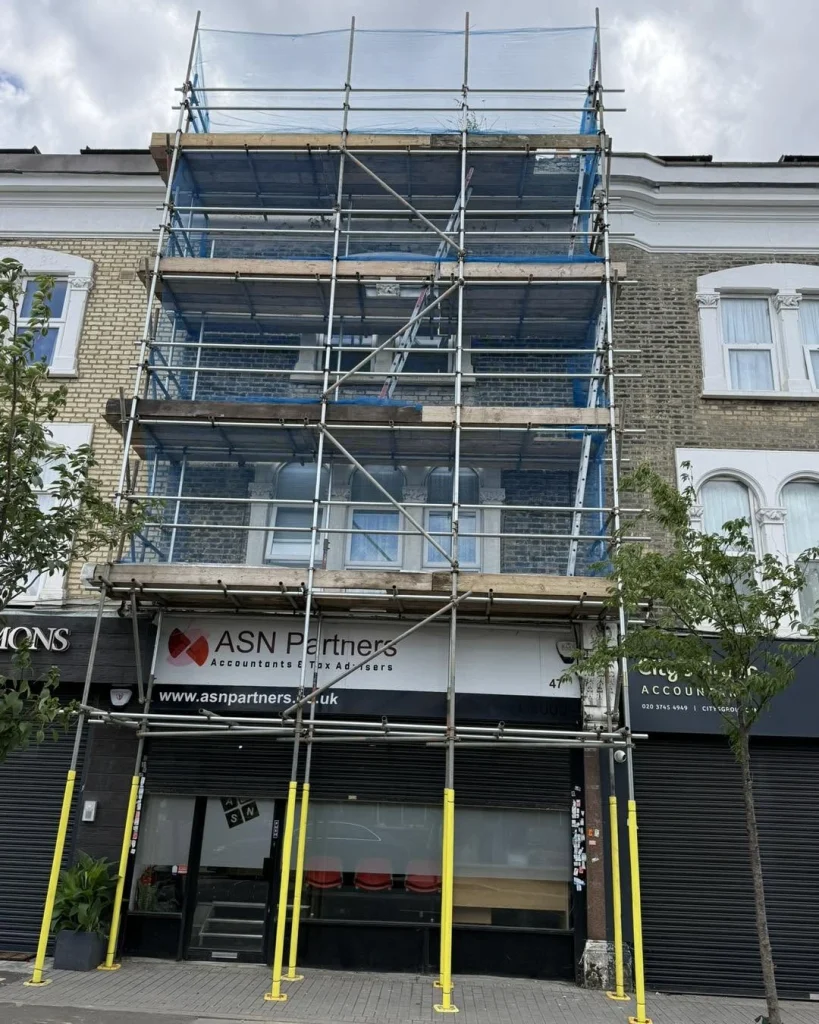
Unlike standard domestic setups, commercial projects involve unique site dynamics. High-rise structures, active urban environments, heavy material movement, and simultaneous work by multiple trades require customised structural access.

Commercial scaffolding systems are engineered to provide maximum load-bearing capability while offering unhindered access to complex building facades. Whether constructing a multi-storey office complex, refurbishing a retail center, or executing structural repairs on an institution, a tailored commercial setup ensures that masonry, glazing, cladding, and finishing teams can work safely at height.

Key Considerations for Commercial Scaffolding Projects

  • Regulatory Compliance & Standards: Modern commercial sites operate under stringent health and safety mandates. Commercial scaffolding must comply fully with national structural standards and safety codes. Rigorous risk assessments, method statements, and structural calculations are mandatory prerequisites before erection begins.
  • Structural Engineering & Load Capacities: Commercial builds often require the staging of heavy machinery, stone, glass, and steel. Scaffolding design must account for dead loads (the weight of the scaffold itself), live loads (workers and materials), and environmental factors like wind loads at high elevations.
  • Site Security & Public Safety: In dense urban areas, commercial scaffolding must protect both site operatives and the general public. Installing protective fan hoarding, debris netting, covered walkways, and secure access gates prevents falling objects and restricts unauthorised site entry.

Minimising Downtime with Efficient Assembly and Dismantling

In commercial construction, time directly impacts profitability. Project delays cost money. Partnering with a licensed, experienced scaffolding provider ensures that assembly and dismantling are executed with maximum efficiency. Professional scaffolders work around critical site schedules, offering out-of-hours erection or phased dismantles to ensure main trade contractors encounter zero workflow friction.

From initial site survey and engineering design to final dismantling and handover certification, certified commercial scaffolding forms the backbone of successful, safe, and efficient commercial builds.
Planning a Home Renovation? Why Professional Residential Scaffolding is Essential

Planning a Home Renovation? Why Professional Residential Scaffolding is Essential

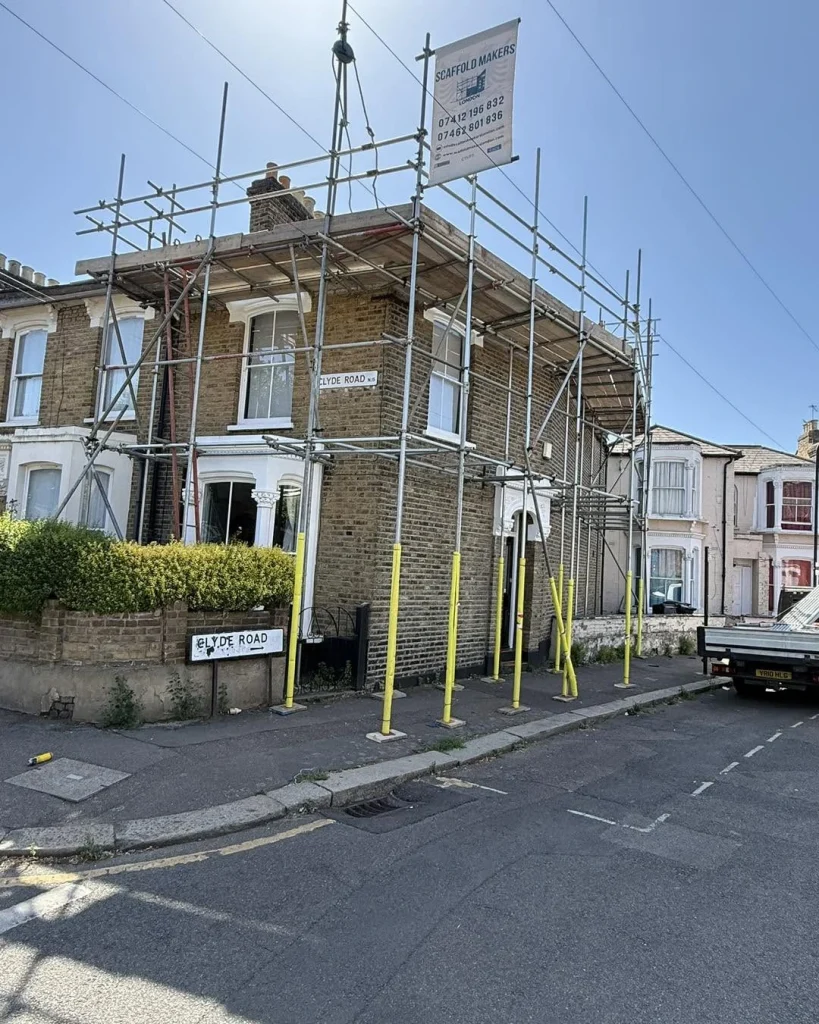
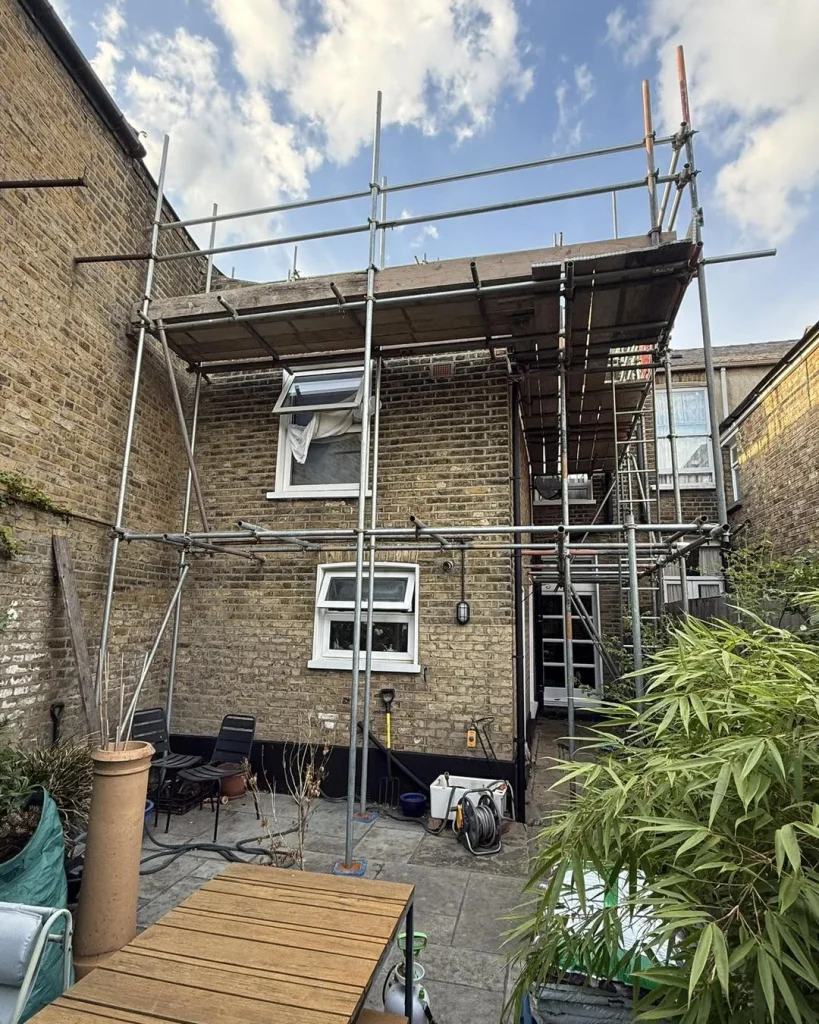
Home improvement projects, whether a complete roof replacement, a double-storey extension, or exterior repointing require safe and reliable access to elevated areas. While some homeowners might consider makeshift ladders or basic towers, investing in professional residential scaffolding is the single best decision you can make to ensure work quality, project speed, and complete safety on your property.

Safeguarding Your Home and Tradespeople

Residential scaffolding creates a solid, broad working platform around your property, giving builders, roofers, and decorators the space they need to work comfortably and securely.

  • Enhanced Workmanship: Tradespeople work faster and deliver higher-quality results when standing on a wide, level, and stable platform rather than balancing precariously on ladders.
  • Property Protection: Secure scaffolding setups keep equipment, bricks, and roofing tiles elevated off your lawn, driveway, and landscaping, preventing accidental damage to your property during heavy construction work.
  • Total Peace of Mind: Professional scaffolding service providers carry extensive public liability insurance and deploy fully certified operatives, taking all structural liability off your shoulders.

Common Residential Projects Requiring Scaffolding

  • Roof Repairs & Replacements: Essential for giving roofers safe access to gutters, chimneys, and tiles while providing integrated edge protection.
  • Exterior Painting & Rendering: Allows painters to cover large facade areas continuously without moving ladders every few minutes.
  • Loft Conversions & Extensions: Provides structural access for heavy timber, brickwork, and window installations across upper floors.
  • Guttering and Chimney Maintenance: Ensures easy, secure access for tricky structural repairs high above ground level.

What to Expect During the Residential Scaffolding Process?

Working with a licensed scaffolding provider makes the process simple. First, a technician conducts a quick site survey to evaluate ground stability, access routes, and overall height requirements. Next, a clear, fixed-price quote is provided so there are no unexpected surprises.

On installation day, certified scaffolders erect the structure quickly and neatly, ensuring minimal disturbance to your daily household routine. Once your trade workers finish their job, the scaffolding team returns to dismantle and clear the structure, leaving your property clean and secure.

Protecting Your Build: The Importance of Temporary Roof Scaffolding Systems

Protecting Your Build: The Importance of Temporary Roof Scaffolding Systems

Unpredictable weather is one of the biggest threats to construction and renovation timelines. Rainwater penetration during a roof replacement or major structural overhaul can cause thousands of dollars in water damage to exposed interiors, destroy building materials, and halt work for weeks. Temporary roof scaffolding offers the ultimate weather-proofing defense, keeping your project dry, secure, and operational all year round.

What is a Temporary Roof Scaffold System?

A temporary roof scaffold is an engineered, weather-tight canopy erected over a building or site structure. Utilising durable corrugated sheeting or specialised aluminum beam track systems, these temporary coverings create an insulated working envelope around the building. They shield the open structure from rain, snow, wind, and intense sun while allowing ongoing work beneath.

Key Benefits of Installing Temporary Roof Scaffolding

  • Year-Round Weather Protection: Don’t let seasonal downpours or winter storms delay your construction targets. A temporary roof allows internal and external trades to continue working without interruption, regardless of external conditions.
  • Structural & Interior Safeguarding: During extensive loft conversions, timber frame builds, or complete re-roofing projects, the interior of the building is exposed. Temporary roofing guarantees that timber framing, dry lining, and existing property contents remain completely dry.
  • Improved Site Safety & Comfort: Working under a sheltered canopy protects tradespeople from harsh environmental elements, reducing fatigue, slippery working conditions, and weather-related site hazards.
  • Cost-Effective Risk Management: While a temporary roof system represents an upfront investment, it prevents costly water damage claims, ruined materials, and expensive schedule delays, paying for itself over the duration of the build.

Applications Across Construction Projects

Temporary roof scaffolding is indispensable for historic building restorations, fire-damaged structural repairs, full roof overhauls, and multi-storey domestic extensions.

To ensure complete stability against heavy wind uplift, temporary roof systems are custom-engineered and installed by fully licensed scaffolding specialists. Investing in temporary roof protection guarantees that your building schedule stays intact, no matter what the weather brings.